
Every week it seems a new platform pop up promising to transform the way organisations find and hire talent. AI will screen CVs faster. It will rank candidates automatically. It will optimise job advertisements and identify passive talent. It can screen candidates via testing and videos, or record your interview notes.
For many in Talent Acquisition, it raises the obvious question.
What does AI mean for me? Will it take my job?
It’s a subject close to my hear and something I have been talking about for the last two years. The pace of change (and new products) is phenomenal. I’ve been in recruitment 28 years, and seen a lot of changes but not as fast or as impactful as AI.
The reality is that AI is already influencing recruitment in ways many people don’t fully realise
For many organisations, AI isn’t something coming in the future. It’s already embedded in the technology recruiters use every day. Probably within your ATS and or within the Seek or LinkedIn candidate ranking features. Or how and where it distributes your adverts to potential online applicants via social media platforms.
AI is already built into:
These technologies can certainly help reduce manual tasks and so time to hire and improve efficiency across the entire recruitment process.
However, AI tools also raise some very important questions.
Understanding these fundamental issues is becoming an important capability for HRD’s and modern Talent Acquisition professionals.
Check out our AI Governance Check List. Plus have a policy on AI Usage in Recruitment
There is much speculation that Artificial Intelligence will eventually replace recruiters. Indeed, it can certainly replace some of the low level, mundane, repetitive tasks. In reality though, what we are seeing in organisations is quite different.
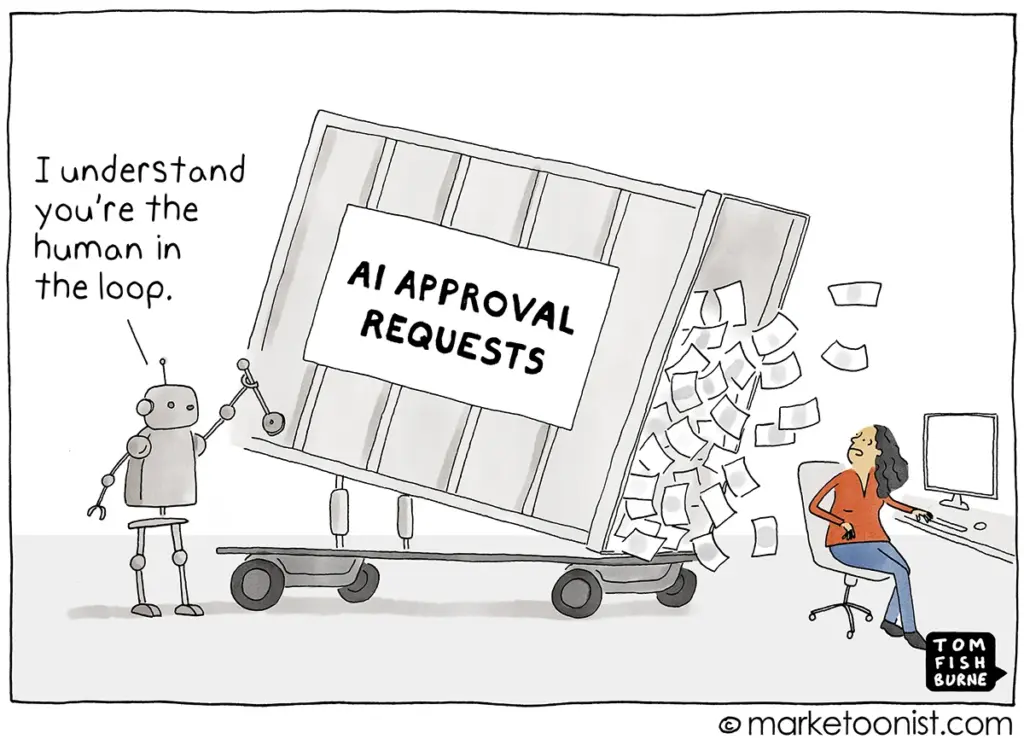
Recruitment has always been about much more than processing information or admin.
Successful hiring requires judgement, relationship building, stakeholder management, communication and cultural understanding and “organisational fit”. It also involves ethical decision-making. Are your practices free from Bias? Is the AI tool free from Bias? Where can bias or faults in the process be “baked into the system”.
These are areas where human recruiters remain essential.
What AI can do is remove some of the grunt work – the operational workload that often dominates a recruiter’s day. Which allows recruiters to focus more on the strategic and human touch aspects of hiring.
As I have always said
“Automate the mundane and add value on the human touch”
As AI becomes more integrated into recruitment technology, the role of the recruiter is evolving.
Recruiters don’t need to become technical experts. But they do need to become informed users of recruitment technology. This means understanding – What tools are out there, how the AI tool works and how their recommendations should be interpreted. Coupled with other “non-AI” factors.
It also means recognising when automated recommendations should be questioned rather than accepted without review.
If AI systems rely on historical hiring data, they can unintentionally reproduce existing patterns or biases. Recruiters need to understand how to use these tools responsibly and ensure recruitment processes remain fair and inclusive. And that the creators of these tools can check and audit for bias in the machine.
There is something called Whitebox and Black box thinking, when it comes to checking the bias. And also, a new set of global code of ethics for the use of AI in Recruitment. (Want to find out more? Come on our TA Fundamentals - session 2, it's all about AI in recruitment).
What about candidate experience?
Used effectively, AI can improve communication with candidates, reduce delays and create more transparency in the recruitment process. But if poorly implemented, it can make the hiring process feel impersonal and frustrating.
Ultimately, the value of AI depends on the tools used and how recruiters choose to use it.
However, one of the biggest risks in Recruitment is probably not using AI at all.
On a recent training course I ran about 80% of participants were still not using AI tools or afraid to implement. With a wait and see attitude.
It’s understandable that many Talent Acquisition professionals feel uncertain about the rapid rise of AI in recruitment. Or what tools to pick, or where to use in the process. New technology often creates concern before people have the opportunity to understand how it can be used effectively. Think people were once afraid to cross the Sydney Harbour bridge that it wouldn’t hold the weight of people and traffic!
The recruiters who will thrive (or survive) in the coming years will be the ones use AI. Especially the ones who learn how to use it intelligently.
Three key understandings are needed:
1. Really understand the tool you are buying / using. Do you truly understand how it ranks, sorts, screens candidates (ask about the algorithms or tools it uses in the background. Ask the right questions at the demo and don’t assume. (I’ve seen some shockers)
2. Know - what tools are out there and where you would use them in the process (there are so many) but good to get your head around your process steps and just where they could fit in. e.g. you may use four to five different “AI tools” in your hiring process for maximum efficiency and candidate care.
3. Question the fairness and transparency in hiring decisions. Test for bias in the machine. You will need to combine technology with strong recruitment fundamentals and focus time on the areas of recruitment that require human expertise.
In other words, they become AI-enabled recruiters, not recruiters replaced by AI.
The future of recruitment will be a partnership between technology and human expertise.
AI provides:
People provide:
Organisations that balance both will build stronger, more effective hiring processes.
AI is changing recruitment—but technology alone doesn’t create great hiring decisions.
If you want to strengthen your recruitment capability and understand how modern tools including AI fit into today’s hiring landscape, consider attending our TA Fundamentals Program for TA/HR Professionals - Session Two.
This practical masterclass series explores:
• AI in Recruitment
• Best Recruitment Tools
• AI policies and frameworks for HR compliance
• Attraction and Branding techniques
• Career Websites
• AI risks and mitigation plans
???? Explore upcoming sessions and register
If you’d like some more useful tips and check out our AI resources and or come on one of our TA Fundamentals training programs.
Resources include:
Want a Recruitment Health Check? Get in touch or check out our new Hiring Risk Check List tool.
Sign up to our monthly Recruitment Revolution newsletter for tips on best practice and tricks to maximise recruitment efficiency
