Recruitment is one of the most important decisions an organisation ever makes - yet it is one of the least formally trained skills in leadership.
Recruitment is a critical decision—hiring the right people determines whether a team or organisation actually works. It affects productivity, performance, and whether individuals have the skills needed for the role. Just as importantly, it involves assessing softer elements like team fit, values, and behaviours, which ultimately shape culture and engagement.
If often amazes me that in many organisations, hiring managers are expected to recruit, interview, and select candidates with little or no structured training. A core leadership skill is missing. This often leads to inconsistent decisions, poor hiring outcomes, and increased risks.
Recruitment Skills Training addresses this gap by equipping hiring managers and teams with the tools, frameworks, and confidence to make better, more informed, fairer, consistent hiring decisions.
Recruitment Skills Training is a structured approach to building capability in leaders on how the organisation needs to attract, assess, and select talent.
It focuses on developing practical, hands-on skills across the recruitment lifecycle, including:
Unlike generic training, effective recruitment training is designed for real-world application - helping hiring managers to make informed, evidence-based decisions. Plus helping them to identify the real core competencies for the role to ensure best fit decisions and hiring success.
Recruitment is no longer just an HR function or considered administration - it is now recognised as a fundamental leadership capability. Leaders are responsible for building teams, shaping culture, driving engagement and delivering results. Poor hiring decisions directly impact:
One of the most common issues we encounter in organisations is that hiring managers:
This leads to inconsistent hiring practices and variable outcomes across teams and divisions.
We run an exercise on “the true cost of recruitment”. The light bulb goes on when people start to add up the cost of a bad hire. Recruitment decisions have a direct impact on:
We know that good hiring practices directly influence organisational performance and the bottom line.
In 2026 modern recruitment practices must now consider:
Without training, we’ve seen that organisations risk:
Effective Recruitment Skills Training should provide both practical tools and strategic understanding.
Based on best practice (and our current programs), key areas include:
Organisations that invest in Recruitment Skills Training typically see:
Ultimately, this leads to stronger teams and improved organisational performance.
One key misconception is that recruitment skills training is simply about learning how to interview. We call it “an education” not just skills training. Hiring managers need to understand the marketplace, candidate care duties, their role in the process and ultimately the strategic nature of Recruitment in terms of team and organisational performance.
In reality, it is about improving workforce performance and engagement (not just recruitment performance) across the organisation.
So, in summary better recruitment skills in leaders ultimately results in:
Recruitment Skills Training is most effective when it is:
For many organisations, the first step is understanding their current capability and risk.
This is where a Recruitment Health Check can help—by identifying gaps in process, capability, and consistency before implementing training.
From there, targeted Recruitment Skills Training can be designed to address specific challenges and build capability in the areas where it matters most. Every organisation is different, so a tailored approach is often needed to get the right emphasis and best tools out of the training.
Recruitment is the start of the employee lifecycle and the first experience of employees at your organisation. Getting the right person, in the right role at the right time is key to business success. It is too important to be left to chance. Without structured Hiring Manager and HR capability, organisations risk inconsistent decisions, poor hiring outcomes, and increased exposure to bias and compliance issues. Plus, poor performance, poor culture and lack of engaged employees.
Recruitment Skills Training is essential as provides a practical, evidence-based way to improve hiring decisions, strengthen hiring capability, and deliver better workforce performance outcomes.
Recruitment is strategic (not administration) it’s the make or break on your organisations ability to perform in a fast-changing world.
Start with a Recruitment Health Check to identify gaps and risks, or explore our practical Recruitment Skills Training programs designed for real-world impact.
???? Get in touch today to discuss what’s right for your organisation. If you prefer, you can give Rachel a call on 0403 899083, or email rachel@hillconsultinghrs.com.au
We provide practical tools to support compliant, inclusive hiring practices. You can find some great tips and templates on our resources page.
Every week it seems a new platform pop up promising to transform the way organisations find and hire talent. AI will screen CVs faster. It will rank candidates automatically. It will optimise job advertisements and identify passive talent. It can screen candidates via testing and videos, or record your interview notes.
For many in Talent Acquisition, it raises the obvious question.
What does AI mean for me? Will it take my job?
It’s a subject close to my hear and something I have been talking about for the last two years. The pace of change (and new products) is phenomenal. I’ve been in recruitment 28 years, and seen a lot of changes but not as fast or as impactful as AI.
The reality is that AI is already influencing recruitment in ways many people don’t fully realise
For many organisations, AI isn’t something coming in the future. It’s already embedded in the technology recruiters use every day. Probably within your ATS and or within the Seek or LinkedIn candidate ranking features. Or how and where it distributes your adverts to potential online applicants via social media platforms.
AI is already built into:
These technologies can certainly help reduce manual tasks and so time to hire and improve efficiency across the entire recruitment process.
However, AI tools also raise some very important questions.
Understanding these fundamental issues is becoming an important capability for HRD’s and modern Talent Acquisition professionals.
Check out our AI Governance Check List. Plus have a policy on AI Usage in Recruitment
There is much speculation that Artificial Intelligence will eventually replace recruiters. Indeed, it can certainly replace some of the low level, mundane, repetitive tasks. In reality though, what we are seeing in organisations is quite different.
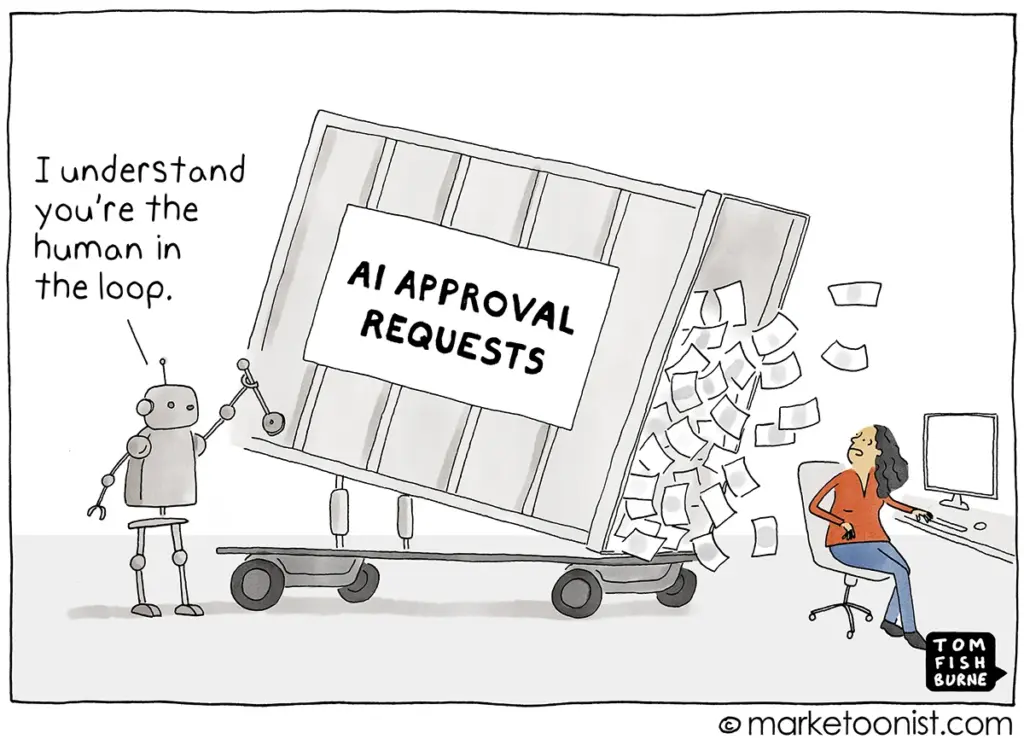
Recruitment has always been about much more than processing information or admin.
Successful hiring requires judgement, relationship building, stakeholder management, communication and cultural understanding and “organisational fit”. It also involves ethical decision-making. Are your practices free from Bias? Is the AI tool free from Bias? Where can bias or faults in the process be “baked into the system”.
These are areas where human recruiters remain essential.
What AI can do is remove some of the grunt work – the operational workload that often dominates a recruiter’s day. Which allows recruiters to focus more on the strategic and human touch aspects of hiring.
As I have always said
“Automate the mundane and add value on the human touch”
As AI becomes more integrated into recruitment technology, the role of the recruiter is evolving.
Recruiters don’t need to become technical experts. But they do need to become informed users of recruitment technology. This means understanding – What tools are out there, how the AI tool works and how their recommendations should be interpreted. Coupled with other “non-AI” factors.
It also means recognising when automated recommendations should be questioned rather than accepted without review.
If AI systems rely on historical hiring data, they can unintentionally reproduce existing patterns or biases. Recruiters need to understand how to use these tools responsibly and ensure recruitment processes remain fair and inclusive. And that the creators of these tools can check and audit for bias in the machine.
There is something called Whitebox and Black box thinking, when it comes to checking the bias. And also, a new set of global code of ethics for the use of AI in Recruitment. (Want to find out more? Come on our TA Fundamentals - session 2, it's all about AI in recruitment).
What about candidate experience?
Used effectively, AI can improve communication with candidates, reduce delays and create more transparency in the recruitment process. But if poorly implemented, it can make the hiring process feel impersonal and frustrating.
Ultimately, the value of AI depends on the tools used and how recruiters choose to use it.
However, one of the biggest risks in Recruitment is probably not using AI at all.
On a recent training course I ran about 80% of participants were still not using AI tools or afraid to implement. With a wait and see attitude.
It’s understandable that many Talent Acquisition professionals feel uncertain about the rapid rise of AI in recruitment. Or what tools to pick, or where to use in the process. New technology often creates concern before people have the opportunity to understand how it can be used effectively. Think people were once afraid to cross the Sydney Harbour bridge that it wouldn’t hold the weight of people and traffic!
The recruiters who will thrive (or survive) in the coming years will be the ones use AI. Especially the ones who learn how to use it intelligently.
Three key understandings are needed:
1. Really understand the tool you are buying / using. Do you truly understand how it ranks, sorts, screens candidates (ask about the algorithms or tools it uses in the background. Ask the right questions at the demo and don’t assume. (I’ve seen some shockers)
2. Know - what tools are out there and where you would use them in the process (there are so many) but good to get your head around your process steps and just where they could fit in. e.g. you may use four to five different “AI tools” in your hiring process for maximum efficiency and candidate care.
3. Question the fairness and transparency in hiring decisions. Test for bias in the machine. You will need to combine technology with strong recruitment fundamentals and focus time on the areas of recruitment that require human expertise.
In other words, they become AI-enabled recruiters, not recruiters replaced by AI.
The future of recruitment will be a partnership between technology and human expertise.
AI provides:
People provide:
Organisations that balance both will build stronger, more effective hiring processes.
AI is changing recruitment—but technology alone doesn’t create great hiring decisions.
If you want to strengthen your recruitment capability and understand how modern tools including AI fit into today’s hiring landscape, consider attending our TA Fundamentals Program for TA/HR Professionals - Session Two.
This practical masterclass series explores:
• AI in Recruitment
• Best Recruitment Tools
• AI policies and frameworks for HR compliance
• Attraction and Branding techniques
• Career Websites
• AI risks and mitigation plans
???? Explore upcoming sessions and register
If you’d like some more useful tips and check out our AI resources and or come on one of our TA Fundamentals training programs.
Resources include:
Want a Recruitment Health Check? Get in touch or check out our new Hiring Risk Check List tool.
If you’ve “fallen” into recruitment, now’s the time to take control. That’s why we’ve created out TA Fundamentals Collection - two practical, half-day online programs designed to help you formalise your skills and future-proof your talent strategy:
Both sessions are interactive, practical, and tailored for TA and HR professionals who want to transform recruitment from an accidental career into a strategic advantage.
Each session delivers valuable, actionable insights on its own. For those looking to deepen their Talent Acquisition expertise even further, combining both sessions creates a well-rounded learning pathway—covering technology, branding, candidate experience, and inclusive hiring practices.
Find out more about our TA Fundamentals Training Sessions on our Eventbrite page
Modern recruitment isn’t just about filling vacancies—it’s about building a competitive advantage. When teams understand and apply contemporary Talent Acquisition strategies, the impact goes far beyond hiring:
Bottom line: Investing in your people means investing in your ability to compete for talent in a diverse, digital-first world. Organisations that prioritise modern recruitment strategies position themselves as employers of choice—ready to attract, engage, and retain the best talent in an increasingly competitive landscape.
Recruitment may not be a career you planned for, but it’s one that can be highly rewarding, transform your professional life—and the lives of countless others. If you “fell into” recruitment, now’s the time to take control, formalise your skills, and become the professional and trusted business partner your meant to be.
Find out more about our TA Fundamentals Training Sessions on our Eventbrite page
When Emily landed her first recruitment role, she thought it would be simple—write a job ad, interview a few candidates, and make a hire. Easy, right?
But within weeks, reality felt very different.
Emily quickly realised recruitment was more complex than she imagined.
“I honestly felt out of my depth at the start,” Emily admits. “I wanted to do a great job, but most of the time I felt like I was winging it.”
If you’ve ever felt the same, you’re not alone.
Recognising she needed support, Emily enrolled in our Talent Acquisition Fundamentals Training.
The online workshop is capped at just 15 participants and designed to be interactive and practical. That meant Emily wasn’t just listening to theory—she was practicing, discussing, and applying the skills straight away.
This hands-on approach was the turning point in her confidence.
This is exactly why focusing on recruitment skills for new recruiters is so important. By the end of the training, Emily noticed a real shift in how she approached her role.
“Now I feel like a real recruiter,” Emily says. “Instead of reacting and scrambling, I’m confident, organised, and even excited about what’s ahead.”
Our Talent Acquisition Fundamentals Training delivers recruitment skills for new recruiters, perfect for:
If you’ve ever dreaded a job brief, worried about compliance, or struggled with interviews, this program will give you the tools and confidence to succeed.
Emily’s story shows how quickly things can change with the right foundation. What once felt intimidating is now exciting and manageable.
You can build the same confidence.
Check out our Eventbrite page for our next TA Fundamentals training dates and prices.
Or feel free to get in touch to find out when the next course is running.
When Trevor Vas reflected on Kevin Wheeler’s keynote, “When Bots Hire Better Than You,” one thing stood out: the unease in the room.
“There was a clear sense of discomfort,” Trevor said. “For many, it felt like the ground was shifting, and their careers—as they understood them—were coming to an end.”
AI in recruitment is changing. From smart sourcing tools to automated interview scheduling and skill-matching algorithms, machines are now doing tasks once handled by recruiters — often faster, sometimes with better results.
But this isn’t the end of Talent Acquisition as we know it.
In fact, Trevor sees it as the beginning of a smarter, more strategic future for TA professionals.
The real breakthrough, Trevor says, isn’t about replacing recruiters — it’s about rethinking their role.
“The biggest breakthrough wasn’t about tools or metrics,” he explains. “It was creating strategy that gave people their agency back.”
In other words, when recruiters stop trying to compete with bots on speed or data crunching and instead lean into strategy, insight, and relationship-building — that’s where their true value lies.
By thinking like strategists, TA professionals move from being order-takers to decision-makers. They start driving conversations about workforce planning, skills needs, and future talent — instead of just reacting to requisitions.
At Hill Consulting HRS, we work closely with organisations to help their TA teams make this shift — from transactional recruiters to trusted Talent Advisors.
This means:
We don’t resist automation. We embrace it — smartly. The goal isn’t to beat the bots. It’s to let them do what they’re good at, so people can focus on what only people can do: build trust, understand nuance, create connections, and shape culture.
If you’re a TA leader or HR professional feeling uneasy about AI, you’re not alone. The key is to start exploring, not retreating.
Think of it like this: automation may change your tools, but strategy changes your future.
And if you want support navigating that future, we’re here to help. Explore our HR Tech services to see how we support TA teams in adapting to new tech, new expectations, and a more strategic way of working.
Read Trevor Vas’s full post on this shift in TA here
Check out Kevin Wheeler’s piece on Toxic vs Healthy Algorithms in Recruiting
???????????????????????? ????. ????????????????????????????: ???? ????????????????-???????? ???????????????? ???????????? ???????? ?????????????????
A federal judge in California has granted preliminary certification for a nationwide collective action against Workday.
Job applicants over 40 who used Workday’s platform and were allegedly denied employment recommendations can now join the lawsuit. Plaintiffs claim Workday’s AI-powered screening tools (like Candidate Skills Match and Workday Assessment Connector) discriminated based on age, race, and disability.
The court found the claims sufficiently similar to proceed collectively, focusing on whether Workday’s AI had a disparate impact (when a seemingly fair hiring process ends up unfairly disadvantaging certain groups, even without intentional bias) on applicants over 40. Workday argued it doesn’t make final hiring decisions, but the court ruled its software is actively involved in recommending or rejecting candidates, making it potentially liable as an “agent” of employers under anti-discrimination laws.
The ???????????????????????? ????. ???????????????????????????? case signals a new era of accountability for HR tech vendors, and proactive governance, transparency, and compliance are now non-negotiable.
Our thanks and acknowledgements go to:
Excellent find, Gerry Crispin! Preliminary Order: ???????????????????????? ????. ???????????????????????????? in Comments,
and Anna Ott on Linkedin
If your organisation uses AI-driven tools in hiring — whether it's for screening, ranking, or recommending candidates — now is the time to take a closer look. This case highlights the importance of understanding exactly how your systems work, where potential bias might creep in, and what steps you're taking to prevent it. Transparency, fairness, and legal compliance aren’t just tech issues — they’re people issues. And the stakes are high: beyond potential legal exposure, there’s a risk to your brand, candidate trust, and your ability to attract diverse talent.
If you're unsure whether your hiring tech is helping or hurting, it's worth getting an expert perspective. Explore our HR Tech services to find out how we help organisations audit their recruitment systems and build ethical, effective hiring processes.
In today’s fast-moving job market, a strong Employee Value Proposition (EVP) is no longer just a “nice to have” — it’s essential. But how you communicate your EVP, the where and the when, can make all the difference.
Video has emerged as one of the most powerful tools to bring your jobs and employer brand to life and connect with the talent you want to attract.
Gone are the days when a job ad or “About Us” page could do all the heavy lifting, or just a copy and paste of the PD would do. Today’s candidates want more. They want to see your culture, hear from your people, and feel the energy of your organisation. Video adds this dimension of emotion, and authenticity to your messages— and it can significantly increase engagement on career websites and job boards alike. People love seeing video testimonials of why others joined or why they stay and what they love about your organisation.
Recently, we had the pleasure to partner with the creative team at Zarco Creations to explore exactly that — how to elevate EVP branding messages for career websites through compelling video.. Thank you to Jess Vieira and Oscar Vieira and the team for a session packed with energy, ideas, and practical tips on how to use video effectively in your recruitment strategy.
The result? A suite of dynamic videos that showcase real team members, authentic stories, and the values that truly drive brand messages. Great for either a careers website or your CEO welcome messages as part of your onboarding sequences. These videos can now be used across a range of platforms — from a careers page to social media posts, onboarding packs, and even with your job ads — creating a cohesive and engaging employer brand experience.
This collaboration highlighted just how powerful video can be when done well. It’s not about flashy production or scripted perfection. It’s about real people, real voices, and real culture — captured in a way that’s engaging, relatable and relevant to the audience you want to attract.
At Hill Consulting, we help organisations shape, express, and amplify your EVP or Recruitment through strategy, and can support you to clarify your EVP messages or refer you onto experts in video such as Zarco Creations.
Want to make your EVP stand out and speak directly to the people you want to hire?
Contact the team at Hill Consulting HRS — your recruitment and employer strategy experts.
Last week, Tamara Diveroli, our roving reporter had the opportunity to attend the 2005 EVP Summit.
The event was packed with bold ideas, thought-provoking insights, and refreshing reminders about what truly shapes powerful employer brands.


Here are some of the key takeaways that stood out to Tamara:
✨ 'Google' Dave Hazlehurst - Humans are the magic – Technology can support us, but the real brand experience starts with people. The more tech-enabled we become, the more human we need to be. Some key stats for me were that 80% of the workforce are disengaged and 92% of people trust people ‘like us’
???? Alex McVeigh - AI is a powerful tool – but it’s not the strategy. Use it for structure and support, not to replace insight and authenticity. Always ask, Why are we doing this?
???? Doug Kelsall talking about global brand vs local experience. A consistent EVP must resonate internally and externally, across regions and teams. Map the moments that matter
???? Poncho Rivera-Pavon Design for the audience that’s not in the room. Gen Z expects relevance, clarity, and real opportunity, not broad corporate promises. Speak their language. Some scary stats he shared that 17% grads accept an offer and keep job searching, 47% of grads have multiple offers and 17% just vanish. It is critical to connect with them.
???? Teena Wooldridge: Your people are your best advocates. Executives and employees with strong LinkedIn voices significantly boost brand reach and trust. Make sure your leadership team are being seen!
???? Vanessa Riley It isn’t just a value on a wall—it’s the lived experience. Leaders shape it, recognition fuels it, and development sustains it—some incredible results of the impact made by focusing on culture first.
A massive shout-out to Jess Vieira from Zarco Creative for some amazing conversations around how powerful video can be. She has some wonderful creative thoughts on how to bring your brand to life!

???? Thanks to Sean Withford and all the speakers and organisers for an inspiring day.
At Hill Consulting, we understand that building a powerful employer brand and authentic EVP isn’t just about marketing — it’s about aligning strategy, culture, and people. Whether you're looking to attract the next generation of talent, boost retention, or bring your values to life through every stage of the recruitment journey, our team is here to help.
Last week, we had the incredible privilege of attending #Talentpalooza at the stunning Abbotsford Convent in Melbourne, Victoria. Tamara Diveroli and I from Hill Consulting were in attendance and on the stage.
Our Roving Reporter Tamara Diveroli had this to say about the two day event:
Over two transformative days, some of the brightest minds in our industry shared their insights, challenging us to rethink our approach to work and TA. Here are just a few of the thought-provoking takeaways that genuinely stood out:
⭐️ Damon Klotz reminded us of the immense power of a single conversation. His words were a powerful nudge to reflect on those pivotal discussions that have shaped our professional journeys—and the ones we still need to have.
⭐️ Annie Johnson discussed AI in HR, highlighting some fascinating yet not surprising statistics about its application in the field. One that stood out for me was that 75% of HR/Talent’s time is spent on administrative tasks. Imagine what we could accomplish if some of those tasks were automated, allowing us to focus on more strategic work. Annie also talked about how 17% of business leaders remain completely disinterested in AI. With technology evolving at a rapid pace, it’s clear that embracing innovation isn’t optional—it’s essential.
⭐️ Melissa Crawford uncovered a striking reality about digital communication. With 70% of our interactions happening online, a staggering 50%of messages are misinterpreted. How do we ensure clarity and intent in a world where tone can be lost in translation?
⭐️ Emma Jones ???? addressed the gender gap, particularly in the tech industry. Her insights into the unique challenges women face in the industry were eye-opening, and I was thrilled to win a copy of The Power of Thinking Differently – Rebel Ideas. I’m eager to dive in!
⭐️ Terri Simpkin PhD explored the societal narratives that shape gender and career choices from an early age. Her call to challenge these ingrained stories was both inspiring and necessary.
⭐️ Dr Philip Gibbs took us deep into the ethical and legal complexities of AI in HR, urging us to stay vigilant about data security. His session served as a wake-up call to continually evaluate our workplace policies in this rapidly shifting landscape.
⭐️ Rachel Hill (Recruitment Strategy) and Craig Watson (via video) introduced an exciting new qualification for Talent Acquisition professionals—an essential step in legitimising and elevating the field. This is something that has been missing, and I know how passionate they both are about the industry!
Beyond the incredible speakers, hashtag#Talentpalooza was a melting pot of fresh ideas, diverse perspectives, and game-changing discussions. Andrea Kirby you curated an event that truly embodied the spirit of rebellion—challenging the status quo and daring us to think differently… all while dressed as Rebel’s!
The photos are also a hoot. Always fancy dress on the first day we had everything “rebels” from a witch (Dr. Terri Simpkin), Amy Winehouse (Tamara Diveroli), Freda Kahlo (Rachel Hill), Top Gun Mavrick (Ivan Harry Harrison), Eric Cantona (Matt Woodard) and Cindi Lauper (Andrea Kirby).
Such a great range of speakers and topics on the future of HR and TA. I’ll definitely be going next year. My key take out were more ways for Diversity especially for Neurodiversity / ADHD in the workplace and getting and keeping more Women in STEM. Plus, the role of AI in our workplaces and new AI tools for HR.


To find out more about Talent Table (Andrea Kirby) events visit the website here: https://www.talent-table.com
Don’t forget as a TA or HR Director its really good practice to have a staff referral scheme and don’t forget to promote it.
Below I’ve been looking globally and searched the world wide web (so you don’t have to) on exploring best practices in employee referral programs, which has revealed several successful strategies across various organisations.
Here are some notable examples:
Ideally, every program includes:
Incentives – Cash or non-cash such as extra holidays, dinner for two, cinema tickets or even just a simple thank you.
Ease of use – Try to make the use of your employee referral program as easy as possible for your people.
Feedback – As always, keep your employees posted on the status of their referrals. Did their candidate move forward in the hiring process? Drop them a quick email or message.
Recognition – Praise is good for employee morale. Think of a nice way to give your employees the recognition they deserve when they’ve successfully referred someone.
The above case studies highlight the importance of creativity, cultural alignment, diversity focus, and leveraging technology in designing effective employee referral programs. Tailoring incentives and strategies to align with company values and goals can significantly enhance the success of such programs.
By learning from these global examples, organisations can refine their referral programs to better align with their workforce and hiring needs. Whether it’s offering creative incentives, fostering an inclusive approach, or making the process seamless, a well-executed referral scheme can be a game-changer for talent acquisition.
Download our FREE Employee Referral Program Policy and Guidelines Template
