If you’re researching Recruitment Qualifications Australia, looking to start a career in recruitment, or already working in Talent Acquisition or a Recruitment Agency and wanting to build your skills and career opportunities, you’ve probably noticed something confusing:
There is currently no clear, nationally recognised pathway for Recruitment or Talent Acquisition qualifications in Australia.
Despite recruitment being a critical business function, Australia has historically relied on a mix of short recruitment courses, generic HR qualifications, and industry certifications — many of which are not specifically designed for modern Talent Acquisition professionals and are not nationally recognised VET qualifications.
This guide explains:
Before choosing a course, you need to be clear on one key distinction:
Are you a Recruiter or a Talent Acquisition professional? They are very different roles. Both often called “Recruiters” but very different in terms of actual jobs.
Although the terms are often used interchangeably, Recruitment and Talent Acquisition are very different career paths.
Agency recruiters typically work for recruitment agencies and focus on:
This environment is fast-paced, target-driven, and commercially focused.
Talent Acquisition professionals work internally within organisations and focus on:
TA is a strategic HR function aligned with organisational growth and culture.
One of the biggest problems in Australia’s training market is that many providers fail to clearly differentiate between agency recruitment and internal Talent Acquisition.
When researching recruitment qualifications, many people are directed toward:
While valuable for general HR careers, these qualifications contain only limited recruitment content — often just one introductory recruitment unit.
They are not specialist recruitment qualifications and usually do not provide the depth needed for a professional Talent Acquisition or recruitment career.
Here is a practical overview of the leading recruitment and Talent Acquisition training providers currently operating in Australia.
Here’s a practical overview of the key options currently available.
Hill Consulting HRS delivers practical, evidence-based recruitment and Talent Acquisition training tailored specifically to the Australian market.
Programs typically include:
Training formats include:
A major point of difference is the depth of real-world Talent Acquisition expertise, with more than 30 years of industry experience.
Key training areas include:
For organisations seeking practical, immediately applicable recruitment capability, Hill Consulting HRS is one of the strongest specialist providers in the Australian market.
The Recruitment Skills Academy provides specialist recruitment and hiring manager training focused on real-world application.
Programs are designed for:
Their approach focuses on:
Like Hill Consulting HRS, their strength lies in specialist recruitment expertise rather than generic HR training delivery.
Training options include:
RCSA is the peak body representing agency recruiters across Australia and New Zealand.
Its Recruitment Consulting Certificate is widely recognised within agency recruitment environments.
This certification is best suited to:
However, it is important to understand:
Deakin University offers a Graduate Certificate of Recruitment and Talent Acquisition developed in partnership with RCSA.
This postgraduate option is suited to:
Benefits include:
Considerations include:
Australian Institute of Management
AIM provides short recruitment and selection courses for managers and HR professionals.
These courses are generally:
Suitable for:
However, they are not formal recruitment qualifications and usually provide limited depth in modern Talent Acquisition strategy.
AHRI offers:
These programs support broader HR career development but are not specialist recruitment qualifications.
Recruitment typically forms only a small component of the overall qualification.
Monarch Institute delivers nationally recognised HR qualifications including:
Advantages include:
However, recruitment content remains limited and is not sufficient as a specialist Talent Acquisition pathway.
The Knowledge Academy offers introductory recruitment courses such as “Recruiting for Success.”
These courses are:
Useful for foundational awareness, but not highly tailored to Australian Talent Acquisition environments.
AIHR provides globally recognised online HR and recruitment certifications.
Benefits include:
However:
The best recruitment course depends on your career goals.
Consider specialist providers such as:
These providers focus specifically on Recruitment and Talent Acquisition capability.
RCSA certification is commonly recognised in agency recruitment environments and is often funded by employers.
A Certificate IV or Diploma in Human Resource Management may provide a strong HR foundation.
Suitable providers include:
The Deakin Graduate Certificate may suit professionals seeking senior HR or Talent Acquisition leadership pathways.
The future of Talent Acquisition qualifications in Australia is about to change significantly.

New nationally recognised qualifications are currently being developed for ASQA approval in 2026, including:
These qualifications are being developed by Rachel Hill and Craig Watson specifically for the modern Talent Acquisition profession.
The proposed qualifications aim to provide:
For the first time, Talent Acquisition may become recognised as a profession with its own dedicated qualification framework in Australia.
For many years, Recruitment and Talent Acquisition have been careers people “fell into” rather than professions supported by formal pathways.
That is now changing.
Australia is beginning to see stronger specialist providers, clearer career pathways, and the development of nationally recognised Talent Acquisition qualifications.
For professionals entering the industry — or organisations wanting to strengthen hiring capability — there has never been a better time to invest in recruitment and Talent Acquisition training.
For more information, course comparisons, and updates on the proposed 2026 Talent Acquisition qualifications, connect via LinkedIn: Rachel Hill on LinkedIn
At Hill Consulting HRS, we’ve delivered recruitment training across Australia to organisations in government, NFP and private sectors. One pattern is consistent: hiring managers are often set up to fail.
The result? Poor hiring decisions, inconsistent processes, and missed opportunities to secure top talent.
The good news: these issues are common — and fixable.
The problem:
Recruitment starts without clearly defining success in the role. Even with a position description, key competencies and outcomes are often vague.
The impact:
The fix:
Define success upfront:
The problem:
Job ads are often copied from position descriptions and fail to engage candidates.
The impact:
The fix:
The problem:
Shortlisting and interview decisions are based on instinct rather than evidence.
The impact:
The fix:
Use structured, criteria-based assessment for every candidate.
The problem:
Informal, conversational interviews without a framework.
The impact:
The fix:
The problem:
Questions fail to assess real capability or drift into irrelevant areas.
The impact:
The fix:
Want to support your Hiring Managers Struggle with Recruitment?
We can help. Explore our Hiring Manager Recruitment Training programs
The problem:
Accepting answers without digging deeper.
The impact:
The fix:
Use the STAR method (Situation, Task, Action, Result):
The problem:
Relying on memory instead of structured notes.
The impact:
The fix:
The problem:
Different standards applied to different candidates.
The impact:
The fix:
The problem:
Unconscious bias goes unrecognised.
The impact:
The fix:
The problem:
Hiring processes are either rushed or too slow.
The impact:
The fix:
Most organisations don’t have an attraction problem — they have a hiring capability problem.
By improving hiring manager capability, you can:
If this sounds familiar, Hill Consulting HRS can help.
or have a chat with me, call 0403 899083, email rachel@hillconsultinghrs.com.au
The Tasmanian State Service D&I Framework sets a clear direction: build a workforce that reflects the community and ensures equitable access to employment, especially for those with a disability or for those in minority communities.
However, the challenge is no longer policy—it is one of execution. I’d argue there is a gap between Policy and Practice
Many government organisations at state or local authority level already have:
However, recruitment processes often remain: Inconsistent, Unstructured and vulnerable to bias. This creates a disconnect between what organisations say they will do and what actually happens in reality in the hiring practices and the decisions they deliver. Despite the organisations best intentions.
The highest risk areas are not always obvious and not always at interview. They typically occur very early on in the process, such as in:
For public sector organisations, this is not just a talent issue – or a brand issue, or about representing the communities you serve, it is a compliance and accountability issue. Government Agencies and Councils must be able to demonstrate that recruitment decisions are:
Failure to support D&I frameworks or ensure unconscious bias in hiring practices ultimately creates:
Leading government agencies are now shifting towards ensuring their hiring managers and panels know and are trained in:
This is where your D&I initiatives can move from intent to impact
If you are unsure where your organisation sits, start with a simple question:
“Could we confidently defend our last hiring decision?” or “Do we know how that last Hiring Decision was made”. And here’s a big tip a Selection Report, won’t cut it. That just describes a process and the successful or unsuccessful candidate outcomes. It doesn’t mean the process was fair or free from bias!
If the answer is unclear, it is time to review your process or ensure that people have training and tools. I’d argue embedding inclusive and compliant hiring practices is not just a nice thing to do. It’s essential to ensure D&I frameworks and policies work in practice. Being hired (getting into the workforce in the first place, often against several barriers to hire for minorities and disability candidates) is a great starting point for ongoing employment! For many the barriers are real, and so is the bias.
We have to work hard to recognise them and assist people in what to do when bias comes into play, and mitigate these risks, and the disadvantages for some.
This does not require a complete overhaul—but it does require review, structure, capability and accountability to make D&I hiring a reality. From policy to practice.
So, if your government agency or organisation is looking to:
a structured recruitment review or targeted training program and templates is often the most effective starting point.
For more information check out our website Hiring in Government page, and also download our:
These tools are designed to be immediately usable by Hiring Managers and HR teams.
If useful, Hill Consulting would be happy to:
Please feel free to reach out if this is an area of focus for your team.
???? Get in touch today to discuss what’s right for your organisation. If you prefer, you can give Rachel a call on 0403 899083, or email rachel@rachelhillconsultinghrs.com.au .
We provide practical tools to support compliant, inclusive hiring practices in Government.
Recruitment is one of the most important decisions an organisation ever makes - yet it is one of the least formally trained skills in leadership.
Recruitment is a critical decision—hiring the right people determines whether a team or organisation actually works. It affects productivity, performance, and whether individuals have the skills needed for the role. Just as importantly, it involves assessing softer elements like team fit, values, and behaviours, which ultimately shape culture and engagement.
If often amazes me that in many organisations, hiring managers are expected to recruit, interview, and select candidates with little or no structured training. A core leadership skill is missing. This often leads to inconsistent decisions, poor hiring outcomes, and increased risks.
Recruitment Skills Training addresses this gap by equipping hiring managers and teams with the tools, frameworks, and confidence to make better, more informed, fairer, consistent hiring decisions.
Recruitment Skills Training is a structured approach to building capability in leaders on how the organisation needs to attract, assess, and select talent.
It focuses on developing practical, hands-on skills across the recruitment lifecycle, including:
Unlike generic training, effective recruitment training is designed for real-world application - helping hiring managers to make informed, evidence-based decisions. Plus helping them to identify the real core competencies for the role to ensure best fit decisions and hiring success.
Recruitment is no longer just an HR function or considered administration - it is now recognised as a fundamental leadership capability. Leaders are responsible for building teams, shaping culture, driving engagement and delivering results. Poor hiring decisions directly impact:
One of the most common issues we encounter in organisations is that hiring managers:
This leads to inconsistent hiring practices and variable outcomes across teams and divisions.
We run an exercise on “the true cost of recruitment”. The light bulb goes on when people start to add up the cost of a bad hire. Recruitment decisions have a direct impact on:
We know that good hiring practices directly influence organisational performance and the bottom line.
In 2026 modern recruitment practices must now consider:
Without training, we’ve seen that organisations risk:
Effective Recruitment Skills Training should provide both practical tools and strategic understanding.
Based on best practice (and our current programs), key areas include:
Organisations that invest in Recruitment Skills Training typically see:
Ultimately, this leads to stronger teams and improved organisational performance.
One key misconception is that recruitment skills training is simply about learning how to interview. We call it “an education” not just skills training. Hiring managers need to understand the marketplace, candidate care duties, their role in the process and ultimately the strategic nature of Recruitment in terms of team and organisational performance.
In reality, it is about improving workforce performance and engagement (not just recruitment performance) across the organisation.
So, in summary better recruitment skills in leaders ultimately results in:
Recruitment Skills Training is most effective when it is:
For many organisations, the first step is understanding their current capability and risk.
This is where a Recruitment Health Check can help—by identifying gaps in process, capability, and consistency before implementing training.
From there, targeted Recruitment Skills Training can be designed to address specific challenges and build capability in the areas where it matters most. Every organisation is different, so a tailored approach is often needed to get the right emphasis and best tools out of the training.
Recruitment is the start of the employee lifecycle and the first experience of employees at your organisation. Getting the right person, in the right role at the right time is key to business success. It is too important to be left to chance. Without structured Hiring Manager and HR capability, organisations risk inconsistent decisions, poor hiring outcomes, and increased exposure to bias and compliance issues. Plus, poor performance, poor culture and lack of engaged employees.
Recruitment Skills Training is essential as provides a practical, evidence-based way to improve hiring decisions, strengthen hiring capability, and deliver better workforce performance outcomes.
Recruitment is strategic (not administration) it’s the make or break on your organisations ability to perform in a fast-changing world.
Start with a Recruitment Health Check to identify gaps and risks, or explore our practical Recruitment Skills Training programs designed for real-world impact.
???? Get in touch today to discuss what’s right for your organisation. If you prefer, you can give Rachel a call on 0403 899083, or email rachel@hillconsultinghrs.com.au
We provide practical tools to support compliant, inclusive hiring practices. You can find some great tips and templates on our resources page.
Every week it seems a new platform pop up promising to transform the way organisations find and hire talent. AI will screen CVs faster. It will rank candidates automatically. It will optimise job advertisements and identify passive talent. It can screen candidates via testing and videos, or record your interview notes.
For many in Talent Acquisition, it raises the obvious question.
What does AI mean for me? Will it take my job?
It’s a subject close to my hear and something I have been talking about for the last two years. The pace of change (and new products) is phenomenal. I’ve been in recruitment 28 years, and seen a lot of changes but not as fast or as impactful as AI.
The reality is that AI is already influencing recruitment in ways many people don’t fully realise
For many organisations, AI isn’t something coming in the future. It’s already embedded in the technology recruiters use every day. Probably within your ATS and or within the Seek or LinkedIn candidate ranking features. Or how and where it distributes your adverts to potential online applicants via social media platforms.
AI is already built into:
These technologies can certainly help reduce manual tasks and so time to hire and improve efficiency across the entire recruitment process.
However, AI tools also raise some very important questions.
Understanding these fundamental issues is becoming an important capability for HRD’s and modern Talent Acquisition professionals.
Check out our AI Governance Check List. Plus have a policy on AI Usage in Recruitment
There is much speculation that Artificial Intelligence will eventually replace recruiters. Indeed, it can certainly replace some of the low level, mundane, repetitive tasks. In reality though, what we are seeing in organisations is quite different.
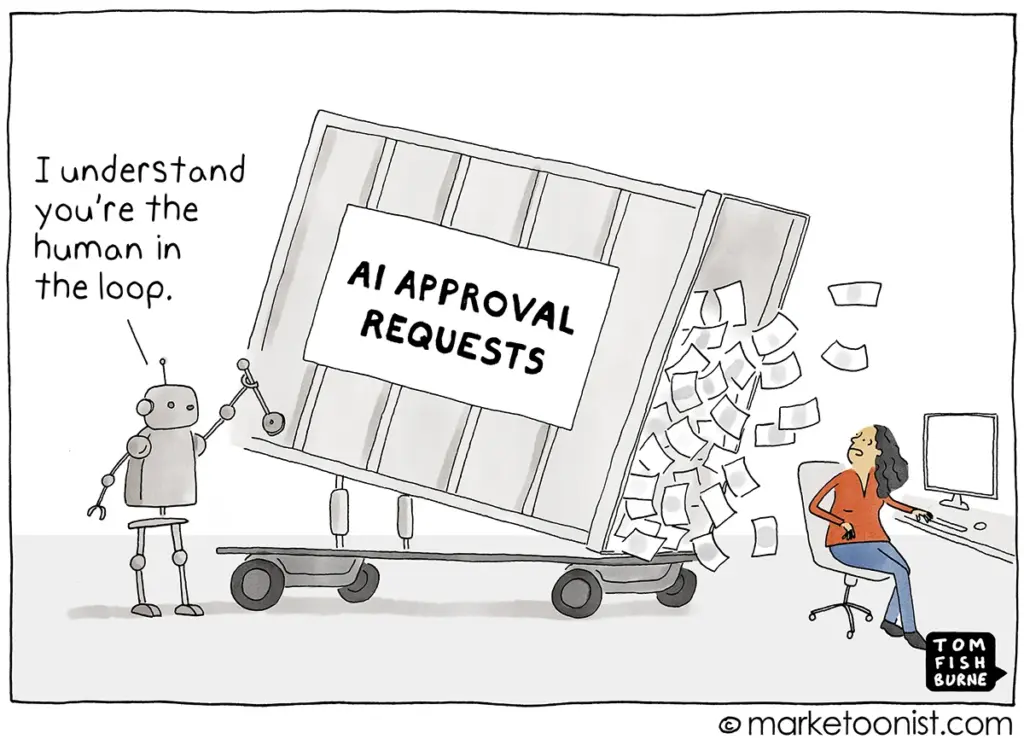
Recruitment has always been about much more than processing information or admin.
Successful hiring requires judgement, relationship building, stakeholder management, communication and cultural understanding and “organisational fit”. It also involves ethical decision-making. Are your practices free from Bias? Is the AI tool free from Bias? Where can bias or faults in the process be “baked into the system”.
These are areas where human recruiters remain essential.
What AI can do is remove some of the grunt work – the operational workload that often dominates a recruiter’s day. Which allows recruiters to focus more on the strategic and human touch aspects of hiring.
As I have always said
“Automate the mundane and add value on the human touch”
As AI becomes more integrated into recruitment technology, the role of the recruiter is evolving.
Recruiters don’t need to become technical experts. But they do need to become informed users of recruitment technology. This means understanding – What tools are out there, how the AI tool works and how their recommendations should be interpreted. Coupled with other “non-AI” factors.
It also means recognising when automated recommendations should be questioned rather than accepted without review.
If AI systems rely on historical hiring data, they can unintentionally reproduce existing patterns or biases. Recruiters need to understand how to use these tools responsibly and ensure recruitment processes remain fair and inclusive. And that the creators of these tools can check and audit for bias in the machine.
There is something called Whitebox and Black box thinking, when it comes to checking the bias. And also, a new set of global code of ethics for the use of AI in Recruitment. (Want to find out more? Come on our TA Fundamentals - session 2, it's all about AI in recruitment).
What about candidate experience?
Used effectively, AI can improve communication with candidates, reduce delays and create more transparency in the recruitment process. But if poorly implemented, it can make the hiring process feel impersonal and frustrating.
Ultimately, the value of AI depends on the tools used and how recruiters choose to use it.
However, one of the biggest risks in Recruitment is probably not using AI at all.
On a recent training course I ran about 80% of participants were still not using AI tools or afraid to implement. With a wait and see attitude.
It’s understandable that many Talent Acquisition professionals feel uncertain about the rapid rise of AI in recruitment. Or what tools to pick, or where to use in the process. New technology often creates concern before people have the opportunity to understand how it can be used effectively. Think people were once afraid to cross the Sydney Harbour bridge that it wouldn’t hold the weight of people and traffic!
The recruiters who will thrive (or survive) in the coming years will be the ones use AI. Especially the ones who learn how to use it intelligently.
Three key understandings are needed:
1. Really understand the tool you are buying / using. Do you truly understand how it ranks, sorts, screens candidates (ask about the algorithms or tools it uses in the background. Ask the right questions at the demo and don’t assume. (I’ve seen some shockers)
2. Know - what tools are out there and where you would use them in the process (there are so many) but good to get your head around your process steps and just where they could fit in. e.g. you may use four to five different “AI tools” in your hiring process for maximum efficiency and candidate care.
3. Question the fairness and transparency in hiring decisions. Test for bias in the machine. You will need to combine technology with strong recruitment fundamentals and focus time on the areas of recruitment that require human expertise.
In other words, they become AI-enabled recruiters, not recruiters replaced by AI.
The future of recruitment will be a partnership between technology and human expertise.
AI provides:
People provide:
Organisations that balance both will build stronger, more effective hiring processes.
AI is changing recruitment—but technology alone doesn’t create great hiring decisions.
If you want to strengthen your recruitment capability and understand how modern tools including AI fit into today’s hiring landscape, consider attending our TA Fundamentals Program for TA/HR Professionals - Session Two.
This practical masterclass series explores:
• AI in Recruitment
• Best Recruitment Tools
• AI policies and frameworks for HR compliance
• Attraction and Branding techniques
• Career Websites
• AI risks and mitigation plans
???? Explore upcoming sessions and register
If you’d like some more useful tips and check out our AI resources and or come on one of our TA Fundamentals training programs.
Resources include:
Want a Recruitment Health Check? Get in touch or check out our new Hiring Risk Check List tool.
If you’ve “fallen” into recruitment, now’s the time to take control. That’s why we’ve created out TA Fundamentals Collection - two practical, half-day online programs designed to help you formalise your skills and future-proof your talent strategy:
Both sessions are interactive, practical, and tailored for TA and HR professionals who want to transform recruitment from an accidental career into a strategic advantage.
Each session delivers valuable, actionable insights on its own. For those looking to deepen their Talent Acquisition expertise even further, combining both sessions creates a well-rounded learning pathway—covering technology, branding, candidate experience, and inclusive hiring practices.
Find out more about our TA Fundamentals Training Sessions on our Eventbrite page
Modern recruitment isn’t just about filling vacancies—it’s about building a competitive advantage. When teams understand and apply contemporary Talent Acquisition strategies, the impact goes far beyond hiring:
Bottom line: Investing in your people means investing in your ability to compete for talent in a diverse, digital-first world. Organisations that prioritise modern recruitment strategies position themselves as employers of choice—ready to attract, engage, and retain the best talent in an increasingly competitive landscape.
Recruitment may not be a career you planned for, but it’s one that can be highly rewarding, transform your professional life—and the lives of countless others. If you “fell into” recruitment, now’s the time to take control, formalise your skills, and become the professional and trusted business partner your meant to be.
Find out more about our TA Fundamentals Training Sessions on our Eventbrite page
When Emily landed her first recruitment role, she thought it would be simple—write a job ad, interview a few candidates, and make a hire. Easy, right?
But within weeks, reality felt very different.
Emily quickly realised recruitment was more complex than she imagined.
“I honestly felt out of my depth at the start,” Emily admits. “I wanted to do a great job, but most of the time I felt like I was winging it.”
If you’ve ever felt the same, you’re not alone.
Recognising she needed support, Emily enrolled in our Talent Acquisition Fundamentals Training.
The online workshop is capped at just 15 participants and designed to be interactive and practical. That meant Emily wasn’t just listening to theory—she was practicing, discussing, and applying the skills straight away.
This hands-on approach was the turning point in her confidence.
This is exactly why focusing on recruitment skills for new recruiters is so important. By the end of the training, Emily noticed a real shift in how she approached her role.
“Now I feel like a real recruiter,” Emily says. “Instead of reacting and scrambling, I’m confident, organised, and even excited about what’s ahead.”
Our Talent Acquisition Fundamentals Training delivers recruitment skills for new recruiters, perfect for:
If you’ve ever dreaded a job brief, worried about compliance, or struggled with interviews, this program will give you the tools and confidence to succeed.
Emily’s story shows how quickly things can change with the right foundation. What once felt intimidating is now exciting and manageable.
You can build the same confidence.
Check out our Eventbrite page for our next TA Fundamentals training dates and prices.
Or feel free to get in touch to find out when the next course is running.
???????????????????????? ????. ????????????????????????????: ???? ????????????????-???????? ???????????????? ???????????? ???????? ?????????????????
A federal judge in California has granted preliminary certification for a nationwide collective action against Workday.
Job applicants over 40 who used Workday’s platform and were allegedly denied employment recommendations can now join the lawsuit. Plaintiffs claim Workday’s AI-powered screening tools (like Candidate Skills Match and Workday Assessment Connector) discriminated based on age, race, and disability.
The court found the claims sufficiently similar to proceed collectively, focusing on whether Workday’s AI had a disparate impact (when a seemingly fair hiring process ends up unfairly disadvantaging certain groups, even without intentional bias) on applicants over 40. Workday argued it doesn’t make final hiring decisions, but the court ruled its software is actively involved in recommending or rejecting candidates, making it potentially liable as an “agent” of employers under anti-discrimination laws.
The ???????????????????????? ????. ???????????????????????????? case signals a new era of accountability for HR tech vendors, and proactive governance, transparency, and compliance are now non-negotiable.
Our thanks and acknowledgements go to:
Excellent find, Gerry Crispin! Preliminary Order: ???????????????????????? ????. ???????????????????????????? in Comments,
and Anna Ott on Linkedin
If your organisation uses AI-driven tools in hiring — whether it's for screening, ranking, or recommending candidates — now is the time to take a closer look. This case highlights the importance of understanding exactly how your systems work, where potential bias might creep in, and what steps you're taking to prevent it. Transparency, fairness, and legal compliance aren’t just tech issues — they’re people issues. And the stakes are high: beyond potential legal exposure, there’s a risk to your brand, candidate trust, and your ability to attract diverse talent.
If you're unsure whether your hiring tech is helping or hurting, it's worth getting an expert perspective. Explore our HR Tech services to find out how we help organisations audit their recruitment systems and build ethical, effective hiring processes.
Many organisations think they’ve got diversity and inclusion covered in their hiring mix – but when we scratch the surface really, they are just looking at key obvious diversity metrics such as gender and age.
When we consider that all States and Territories in Australia have Antidiscrimination Acts with a range of 19 to 22 different attributes upon which discrimination can occur – do we really have everything covered?
Plus, when our new candidates arrive – are they “allowed” to bring their whole selves to work? By that I mean we may have diversity in hiring, but do we have the inclusion part mastered?
I would argue that there are lots of different types of diversity we need to consider – not just gender. With up to five generations in the workforce we need to think about age more often. But also consider diversity such as those with neurodiversity or different sexual orientation, family status and carer responsibilities.
I’ve heard and seen many a story of women being recruited to address a gender imbalance only to land in a very male dominated workplace or “lad culture” where they’ve really had a terrible experience.
The same might be true for Aboriginal people where the workplace is just not a culturally safe space for them to be.
Its like buying a plant and then not giving it any light, water or soil to allow it to flourish. And wondering why it hasn’t grown! Or worse still spraying it with poison and wondering why it doesn’t like its new environment?
Most organisations truly want a diverse workforce, to be inclusive and to reflect the communities they serve. And are very genuine in this intent. However unfortunately have not really given this the level and depth of thinking it deserves. Three of the big mistakes I see is that:
One model or solution would be to take each group (yes, over 22 attributes – and possibly more) individually and consider the barriers to hire for each.
Ask yourself:
Allowing them to flourish. If not, why not?
Top tip: go ask them (diverse groups, their allies and representatives).
If you’d like to know more on this subject, we train it on our Recruitment Skills courses including unconscious bias in recruitment practices and I’m happy to share some of the exercises and deeper thinking we do to enable clients to thrive in the diversity space.
Many of our clients are recruiters and hiring managers working in government, both at the state and federal level. Often, recruitment practices are hampered or should I say 'hamstrung' due to policy and procedures. This often results in a process that takes way too long and sees too many good candidates lost along the way. These cumbersome processes cause a lot of stress for both recruiters, hiring managers and candidates! If only there was a quicker and easier way...
Some government recruitment practices are so entrenched that it’s a challenge to separate fact from fiction. HR may even argue the case, but they often have no basis in legislation, Awards or Agreements; they have just been manufactured over many, many years of government.
Let’s separate fact from fiction once and for all!
Yes, we want a fair and transparent process. And yes, we must hire on merit. However this can actually be achieved in a much simpler and quicker way. Many of the processes that government employees insist on are actually myths, so they don’t have to be followed.
If you look at the legislation and employment directives, you’ll find that all that is legislated is a fair and transparent process. This simply means that people must have a chance to see the role and apply, and are treated equally. There is nothing about panels, panel interviews, selection reports, delegate approvals, the list goes on.
Here is how we can help you to separate fact from fiction, and save some precious time and resources in government recruitment, all while reducing stress levels in the process.
Note: Even non-government organisations (NGOs) sometimes have these enchenched recruitment practices, especially the university sector - so the following content applies to them as well.
We have broken it down into the full recruitment journey. From putting together the selection panel, through to developing the job description, advertising, shortlisting, the selection process, referee reports and selection reports, we’ve got you covered.
Share this resource with your colleagues and peers in government recruitment teams and, together, we can bust some of these misinformed beliefs once and for all.
FICTION!
While it's seen by many as an effective way to create a fair and equitable recruitment process, there's no guarantee that by dictating the gender, seniority level and size of the selection panel that a fair and equitable selection process will be undertaken.
Legislative requirements also do not prescribe the panel mix that must be adhered to when putting together a selection panel.
The mix of people employed for each selection panel may be determined by the Chair of the selection panel. The Chair needs to ensure they select the panel members in way that is seen to be fair and reasonable.
And rather than relying on a prescribed gender mix, panel size or seniority mix within the panel, the Chair should select panel members based on their collective ability to identify the best candidate for the role in question.
FICTION!
Whilst it's imperative that each applicant is treated fairly and offered the same opportunities to address how they satisfy the job-related requirements of the role, it's unrealistic (and not legislatively required) that members of the selection panel have no prior knowledge of applicants.
In some government departments, panel members may be required to sign a conflict of interest form (even current managers) in advance, just to show prior relationships and fairness, but this does not mean they are ineligible to sit on the panel or be objective in their assessment.
FICTION!
Some jurisdictions may require advertising of permanent or fixed-term jobs over 12 months in government publications and jobs board websites. After being advertised, these job roles often need to remain open for a specified period of time. However, other than this requirement, there are no restrictions on where else you can advertise!
There is no limit as to where you can advertise. Have you considered Facebook? What about LinkedIn? Or specialist and niche job boards? All are valid potential communications mediums as long as they fit within your budget.
IMPORTANT NOTE - While you're not limited to where you can advertise, it's important to consider which advertising opportunities offer value for money. Also in today's digitally connected society, don’t forget to use your personal and professional networks to get the word out. Get onto the social media platforms, like and share the advertisement, and get the hiring managers to do the same.
If you read the Australian Public Service Commission's Merit Principles, it all centres around the premise that the opportunity was advertised. This means that the vacancy is fair for all people to apply (a level playing field - not a nepotism club of shoulder-tapping alone). To quote, “all eligible members of the community are given a reasonable opportunity to apply” and “an assessment is made of the relative suitability of candidates, using a competitive selection process”.
So where and how you advertise is up to you. It it is not legislated.
Think laterally when it comes to advertising and promoting a vacancy.
FICTION!
Again, this is a fairly standard government practice where candidates are asked to write a few pages on how they meet the selection criteria specified in an advert or the position description.
However this is fairly old fashioned. Governments are now moving to short form applications - e.g. one page instead of four pages to address selection criteria, or none at all. In many cases a CV and cover letter will suffice.
This is very common practice in commercial enterprise (no selection criteria to be addressed) - just a short application form.
In a candidate tight market employers need to make it super easy (not hard) for applicants to apply. Otherwise, they won’t apply. External candidates (non-government) also don’t even know what this is or what they have to do – to “address” criteria. So, this practice effectively builds a barrier to getting new people (talent) into government roles.
Gone are the days of addressing selection criteria!
FICTION!
As long as the role has been advertised (e.g. all people have a chance to see and apply for the vacancy), you are free to approach suitable candidates who you think will be a good fit for the role and encourage them to apply. After they apply, they must go through the same fair assessment process to secure the role, so the selection process remains fair for all candidates.
When competition for quality job applicants is fierce you should use your personal and professional contacts and networks to put the word out about your vacancy. You cannot offer someone the job without advertising or following a hiring process, but you can ask good quality candidates to consider applying for it. In fact, not doing so with suitable candidates is actually doing a disservice to your responsibility in spending public money to find the best person to perform the duties of a particular role.
Also don’t forget that if you have a niche or difficult-to-fill role, the ability to invite potential candidates to apply could be the difference between a successful hire and a fruitless search for candidates.
FICTION!
You don't need to interview all internal applicants. In fact, this can be a big waste of time and money (yes, I am a taxpayer). It’s important to remember that just because a person who already works within the department applies for another job within the same department, it doesn’t mean they are, by default, right for the job.
Only shortlist and interview candidates who are seriously good for the role and are competitive for the job. Don’t be afraid to reject internal applicants if they are not skilled or appropriate for the position. Bringing new skills and capability into government is a good thing. Hiring on merit is about skills and competence, not about tenure or “being nice” to internal staff!
Shortlisted applicants should be able to demonstrate in their application, and on their CV, their ability to meet the selection criteria. If you have seven candidates that meet the criteria - pick the best three. These are the people to interview. A shortlist of seven is not a shortlist (it's a long list and a big waste of time). You are still being fair - e.g. assessing them against the same criteria and written application stage.
IMPORTANT NOTE - Internal applicants who are not shortlisted should be informed of the decision as to why they were not shortlisted prior to the interviews occurring. Don’t be afraid to make decisions based on facts and evidence. This is especially so when non-shortlisted internal applicants are in the same business unit or area. You may have to explain why they didn’t make the cut. This is good practice and good feedback for them - e.g. where are the areas where they need further development and why did their application fall short against the market?
Yes - all external and internal applicants should be assessed using the same shortlisting methods and criteria, but this doesn’t mean everyone has to be interviewed.
FICTION!
Interviews are just one of many selection and assessment options which may be used. By the same token, a fair selection decision can be made without an interview forming part of the recruitment process.
Sometimes an interview is not a good indicator of future on-the-job performance. Interviews may lead to a cohort of applicants being disadvantaged. Extroverts may do better. Those with neurodiverse backgrounds or introverts may not do as well. People from non-English speaking backgrounds may find it more difficult to convey complex concepts even when they have a sound understanding of them. Some people with disabilities and humble people may struggle to 'sell themselves' at an interview. People living with anxiety may also not perform well with an interview and panel format when compared to other assessment methods. Other selection and assessment methods can also be used, such as tests, work placements, online assessment centres and written exercises.
Ultimately you should use the right mix of selection and assessment methods to find someone who can perform well in the role they have applied for. There is no point in hiring a candidate who interviews exceptionally if they don't have the appropriate skills and capabilities to perform well in the role. Keep this in mind when considering how much weighting you apply to the formal interview.
FICTION
When deciding what questions to ask at interviews, you should be focusing on how you can best identify the right competencies and behaviours for the role, then design questions that will provide useful information to the panel. Asking the same questions of each applicant will not necessarily help you achieve this goal. You should ask applicants for any other information that will help you to assess the applicant against the selection criteria.
For example - yes, ask all candidates about teamwork. But the probing questions that you ask next, depending on the candidate's initial response, may vary. Each candidate is unique, and their answers will all be very different. All of their responses are relevant and, irrespective of the questions you ask, you are still assessing the candidate based on the competencies and behaviours you're looking for in the role.
The fact that this myth has endured, and is very strong in some workplaces, suggests that interviews have ceased to be a way of finding out the most useful information from each applicant. They have instead become a box-ticking exercise on a ‘right or wrong answer’ (limited) approach. This narrow approach to interviews doesn't allow candidates to shine (or provide further evidence of their appropriateness for the role).
If you do choose to undertake interviews, the selection panel should use a structured interview approach including behaviourally-based questions (and the interviewers should be trained in this technique). This means that all applicants would be asked the same core questions, but then depending on their response could be asked any number of further 'probing' questions to ensure the panel gains all relevant information for making an informed recruitment decision.
FICTION!
As highlighted in the previous example, you can and should prompt applicants to respond to questions during interviews if it is required. How can you be expected to discover all of an applicant’s abilities and skills if you’re unable to probe for additional information during the interview?
Interviews can be a particularly intense and stressful situation, so may not be conducive to getting the best out of every applicant. But this doesn’t mean that the applicant isn’t suitable for the role. You should aim to make the interview process an inviting and open forum. If an applicant is lost for words, and a simple prompt is all that is needed to get them back on track, you should assist them. One way of doing this would be to re-phrase the question in a different way to ensure the candidate understands what you're asking.
FICTION!
As you’ve no doubt already recognised from the previous sections of this article, selection processes tend to be unique to the job in question so there is rarely a one-size fits all approach. There is no requirement to get written referee check.
It is actually good practice to have a phone conversation with referees as it allows for genuine two-way communication. Use behaviourally-based questions in your reference check call with the referee. Probe on any areas of concern that were raised at the interview.
Reference checks are not a 'tick box' exercise, but are an important verification check in the process around what the applicant has 'claimed' in their abilities or past experiences.
I always recommend doing two (not one) reference checks and also ask for different, more relevant referees if the ones provided don't feel or look appropriate. This is allowed.
FICTION!
In consideration of the Privacy Act I would always ask the candidate for nominated referees and permission to approach them. I’d also have a script for recruiters and let referees know that the feedback they provide in the reference check may be given to the candidate (if requested).
Internal non-nominated referees such as their current manager can be contacted (and is good practice for internal moves), provided that the applicant knows in advance and is given the opportunity to address any issues that may arise.
I would never use social media (e.g. Facebook posts) as a source of a reference check. Yes, this may be public information, but it provides very little in respect to the individual's ability to do the job.
FICTION!
Most government selection processes are made up of four key components
Although none of this is written in stone (e.g. you done 'have' to do any of these), the reference check is an important stage thought to check people are who they say they are and do have the credentials and the experience claimed.
FICTION!
In government recruitment processes I often see all candidates shortlisted or interviewed, then reference checked. Why? This never happens in commercial enterprises - only in government - and again another myth.
They are a final check. Only reference check the one candidate you wish to offer the role to or who are suitable for the role. Again, it is not legislated to do more. Reference checking everyone who has been interviewed is a big waste of time (in my mind) and taxpayer money by the government, if only one person is to be offered the position.
FICTION!
A referee check is exactly that - a check to verify capability and credentials. However, they should never be a 'comparison tool' to select the best applicant. I’ve seen this done in government and it is a bad practice.
The feedback provided by referees in reference checks are subjective by their very nature. Consider this - if you try to use references as a comparison tool, what you are trying to compare is different candidates, in different roles, at different stages of their career, at different dates, from different organisations, with feedback provided by different managers (some referees may be friends or positive, others may be negative in nature). This is all subjective.
So never compare reference checks - only use them to verify the candidate’s capability and career history. Two reference checks on the final one candidate is enough.
FICTION!
The selection report must provide enough information for the delegate to make an informed and fair decision. Record gathering and record keeping throughout the process is important, but you don't need to repeat everything in the selection report.
The selection report is essentially looking to demonstrate why the preferred candidate got the position (ranked first), while other candidates ranked lower, and why. It must demonstrate that the correct process was followed, that it was fair to all applicants and the evidence-based criteria helped you (or a panel) to arrive at your selection. As long as it achieves this, your report can be short!
Although an official record – the selection report need not be ‘war and peace’; it must simply demonstrate with rigour, the process followed and the evidence-based selection decision to arrive at your selection. So, it can be a summary and short!
Obviously, some aspects about your level of details depends on the final approver of the report (often known as the delegate) and what they expect to see. So, have a chat with the final approver before completing the selection report to get clarity on their expectations for the level of detail provided.
I hope you found this resource useful for you and your teams. This may help to improve your processes and save precious time and frustrations, plus help you to attract and hire the best candidates.
Yes, processes need to be followed and must be fair and transparent. And yes, we must hire on merit. However, this doesn’t mean many extra steps by government employees and restrictive practices need to be followed. There is no requirement to interview! No requirement for a panel!
If you look at the legislation and employment directives relating to government recruitment, you’ll find that all it is about is a fair and transparent process, not the number or type of person on the panel or the length and complexity of the selection report.
Caution: Legislation, Awards and Agreements do vary by state and federal governments, agencies and employers - so do check your local legislation or directives and policies.
However when you do, you might be surprised that most of the above ingrained government recruitment processes are, in fact, fiction!
If you have any questions about the information I've provided above, or you would like to discuss your government or general recruitment needs, contact me and I'll be happy to assist.
Attribution:
Thanks goes to the Tasmanian State Government for their Right Job, Right Person framework developed by DPAC and for their Recruitment Myths Busted article that inspired this broader article. We have been working with them to train their hiring managers to separate fact from fiction when it comes to government recruitment practices.
